First-Time Mom Pregnancy: Trimester Changes & Appointments
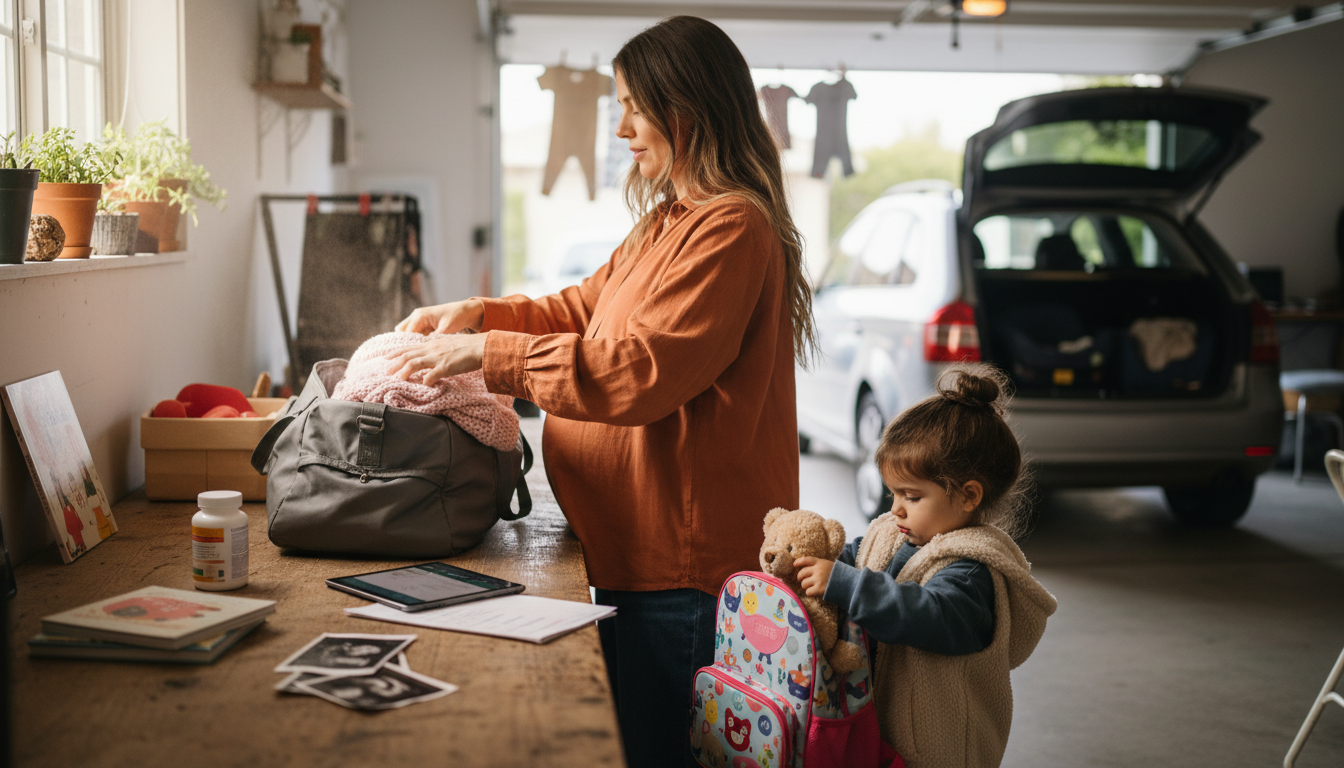
What to expect as a first-time mom during pregnancy?
Pregnancy as a first-time mom often feels like a mix of excitement, questions, and constant change. While every pregnancy is different, many people experience a similar rhythm: early symptoms and appointments in the first trimester, growing energy and a visible bump in the second, and more physical limitations plus nesting energy in the third.
For a deeper week-by-week style overview and practical tips, visit this complete guide on what to expect as a first-time mom during pregnancy.
Common changes by trimester
First trimester: symptoms and learning curves
Fatigue, nausea, food aversions, bloating, and breast tenderness are common early on. Emotionally, it’s normal to feel excited one moment and worried the next. Expect initial prenatal visits, bloodwork, and early screenings as your provider establishes a baseline for you and baby.
Second trimester: steadier days and a growing bump
Many first-time moms notice improved energy and appetite. Your belly becomes more noticeable, and you may feel baby move (often described as fluttering) sometime mid-pregnancy. Typical milestones include the anatomy scan and conversations about movement, sleep, and what “normal” discomfort looks like.
Third trimester: preparing for birth
As baby grows, you might experience back pain, shortness of breath, heartburn, swelling, or more frequent bathroom trips. Sleep can get harder, and Braxton Hicks contractions may appear. This is also when many people finalize a birth plan, choose a pediatrician, pack a hospital bag, and review labor signs with their provider.
Appointments, body changes, and what’s normal
Prenatal appointments typically become more frequent later in pregnancy. Your provider may track blood pressure, weight, fundal height, and baby’s heartbeat, and discuss vaccines and routine tests. Some discomfort is expected, but call your provider right away for heavy bleeding, severe headaches, vision changes, intense abdominal pain, decreased fetal movement, or signs of preterm labor.
FAQ
What should I buy first for a newborn?
Start with essentials you’ll use immediately: a safe sleep space, diapers and wipes, a few simple outfits, feeding supplies, and a properly installed car seat. Add extras after you learn what your baby (and your routine) actually needs.












Leave a comment